
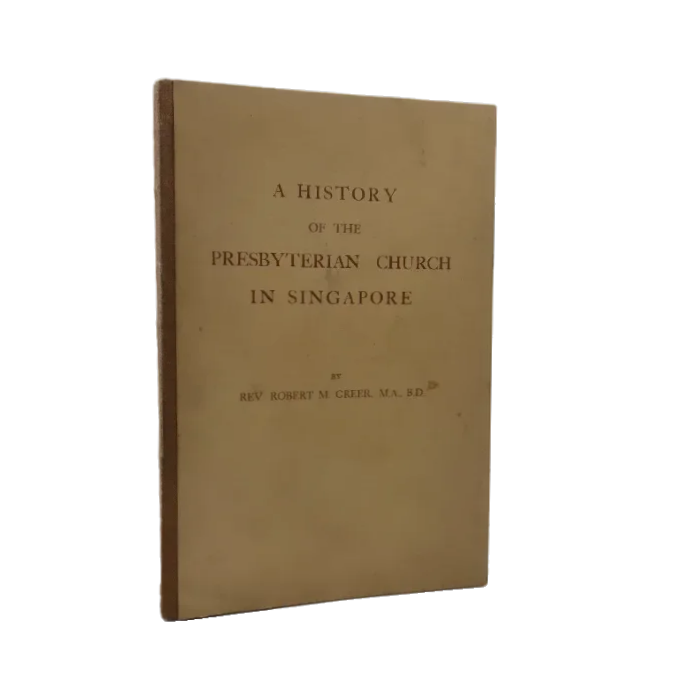
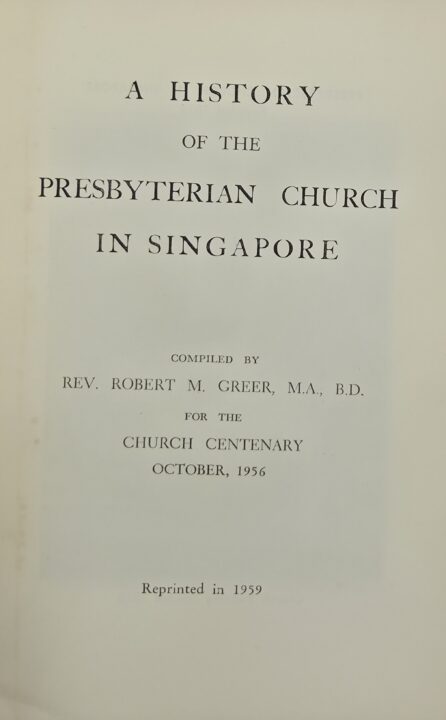
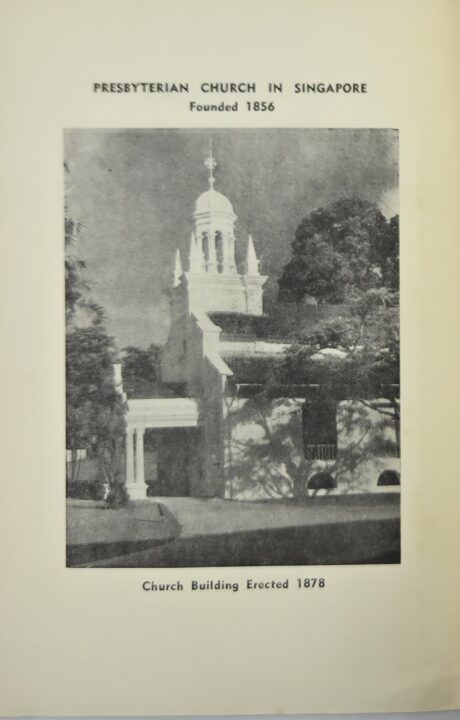
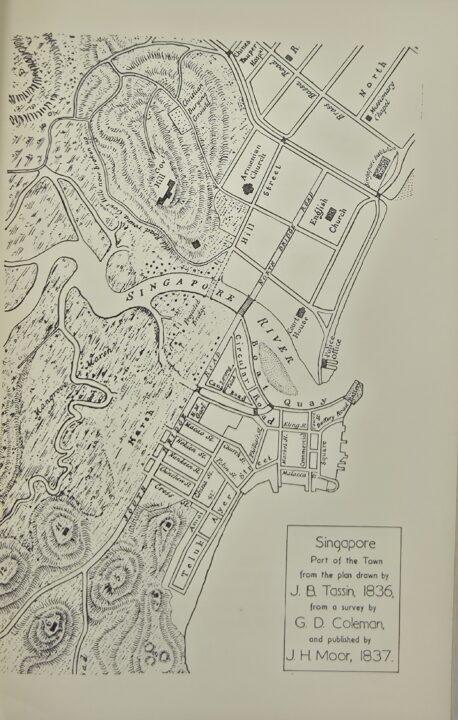
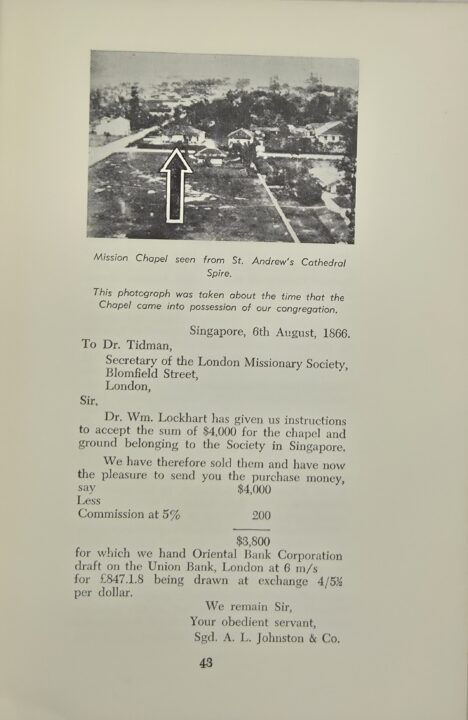
A History of the Presbyterian Church in Singapore (1956) traces the growth, challenges, and influence of Presbyterianism from its early missionary beginnings through its establishment as a distinct and active Christian presence in Singapore. The book begins with the arrival of early Presbyterian and missionary figures—church planters who introduced Presbyterian doctrine, worship, and community life to Singapore’s multicultural society.
Greer carefully outlines how the church established its institutions: building congregations, founding schools, conducting evangelistic work, and engaging in social welfare. He documents how churches adapted to changing demographics—serving Malay, Chinese, European, and other communities—and how language, culture, and colonial politics shaped church life. The narrative includes the establishment of church governance structures: congregational leadership, pastoral appointments, and development of presbyteries and synods.
Part of the story deals with interruptions: wars, political changes, mission funding and personnel shifts. After World War II and into the post‑colonial period, the book shows how the church moved toward greater local leadership, indigenization of clergy, and expanding outreach. Greer also reflects on theological trends within the denomination, how Presbyterian distinctives—such as Reformed theology, liturgy, and polity—were maintained or adapted in the Singapore context.
Overall, the book offers both a chronological history and thematic insight into how the Presbyterian Church became woven into the social, cultural, and spiritual fabric of Singapore. It is a valuable account of how a religious minority institution grew, faced adversity, and helped shape Singapore’s Christian heritage.
Additional information
| Weight | 206 g |
|---|---|
| Dimensions | 14 × 1 × 21 cm |
| Author | Rev. Robert M. Greer |
|---|---|
| Published On | 1959 |
| Pages | 156 |
| Country | Singapore |
| Language | English |
| Dimension | 14cm 21cm |
| Item Weight | 206gms |