
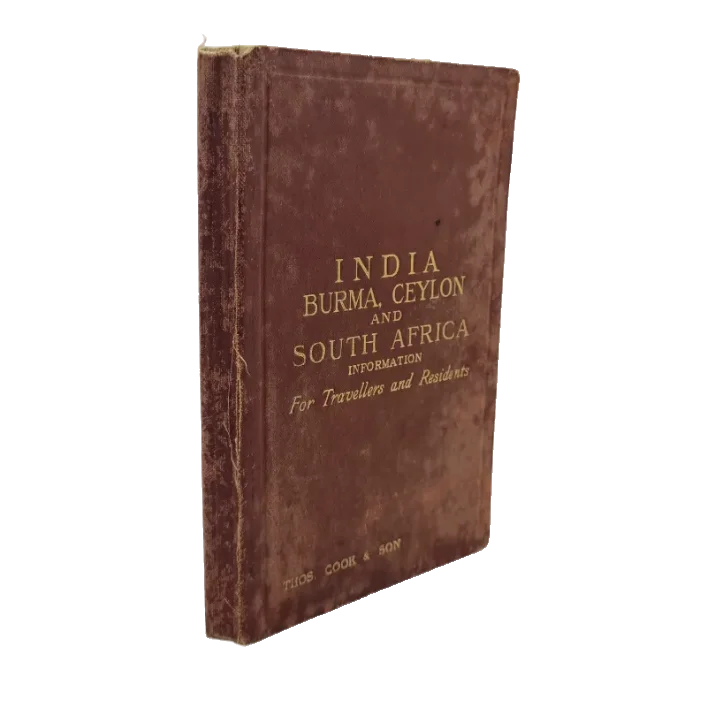
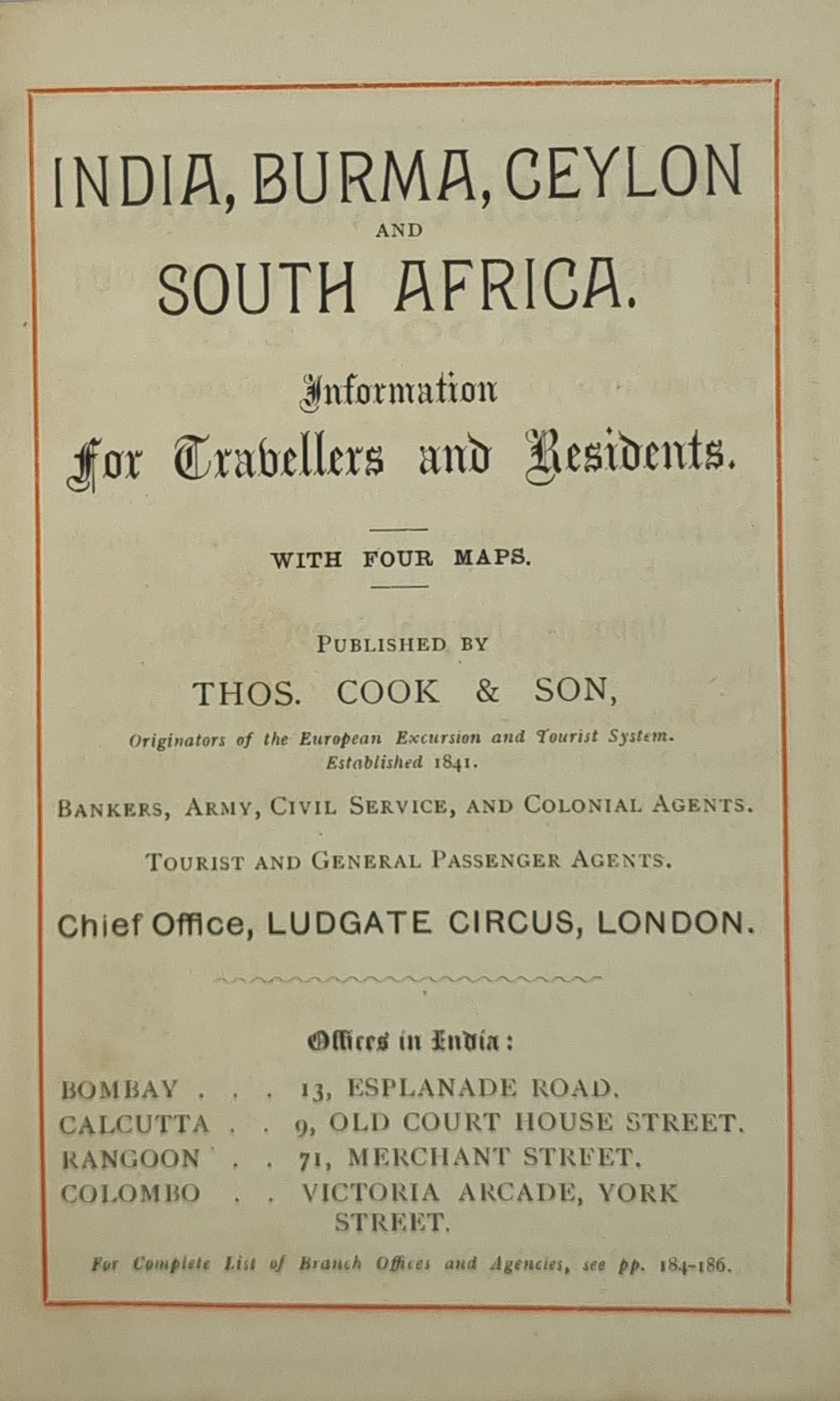
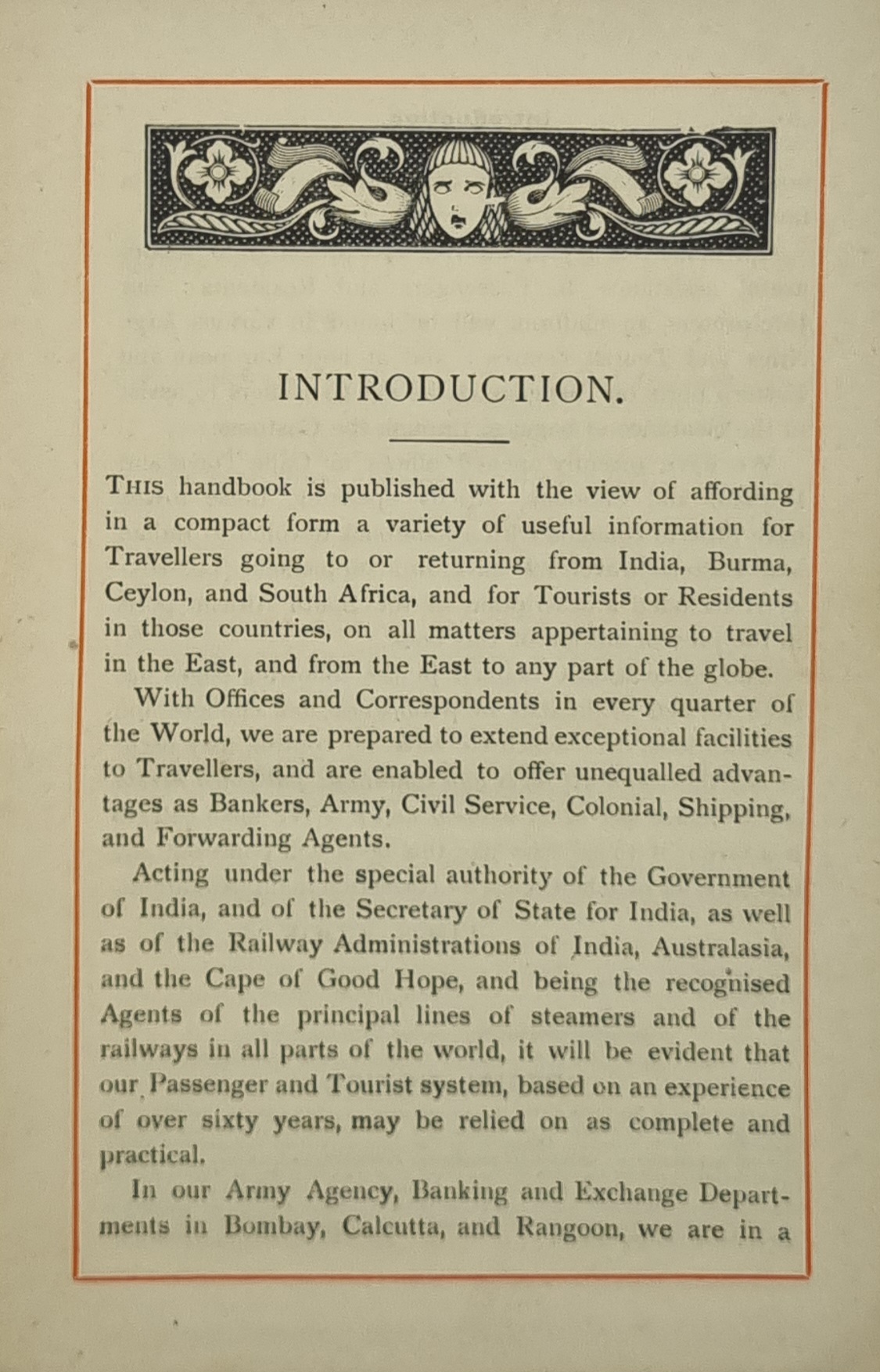
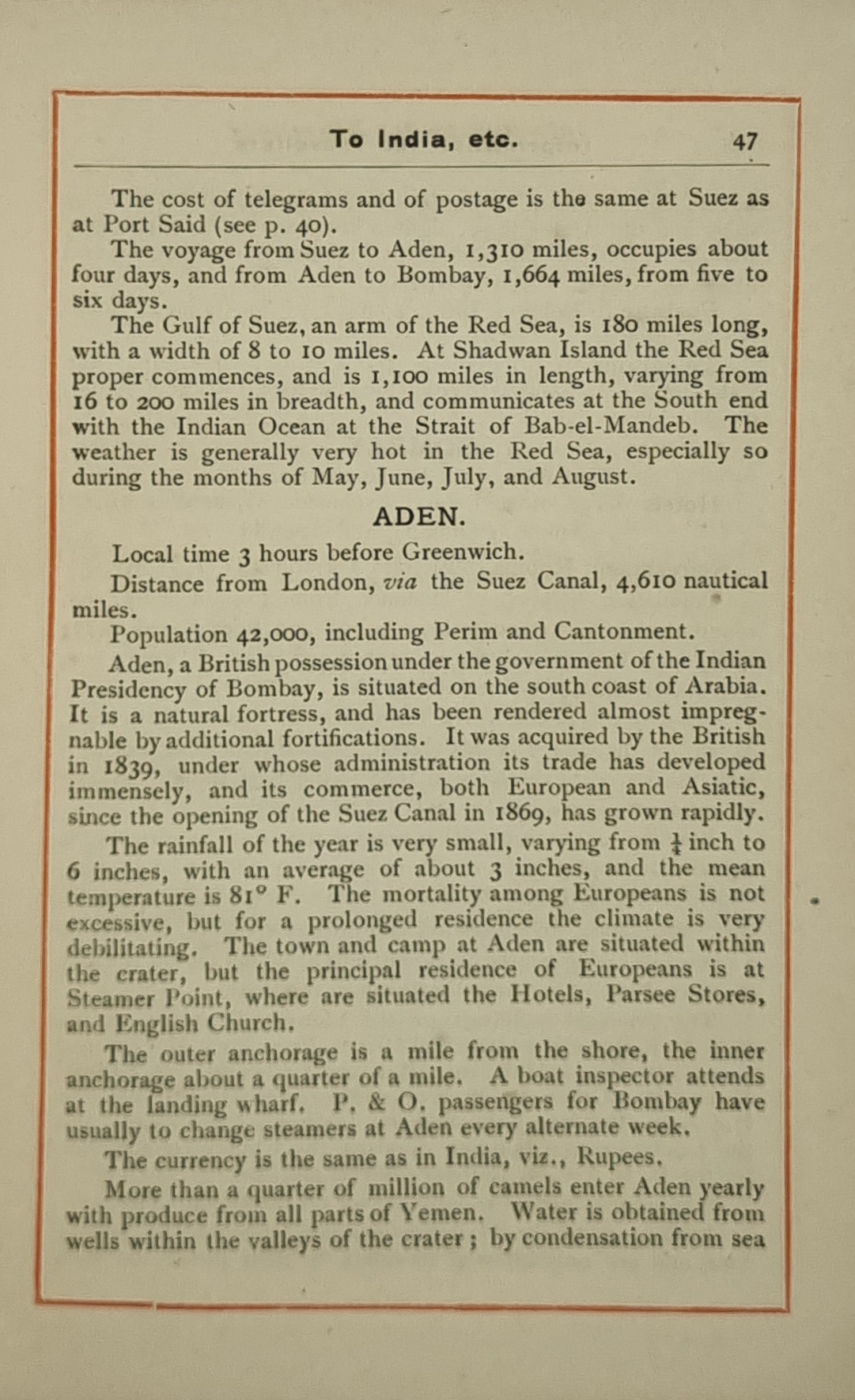
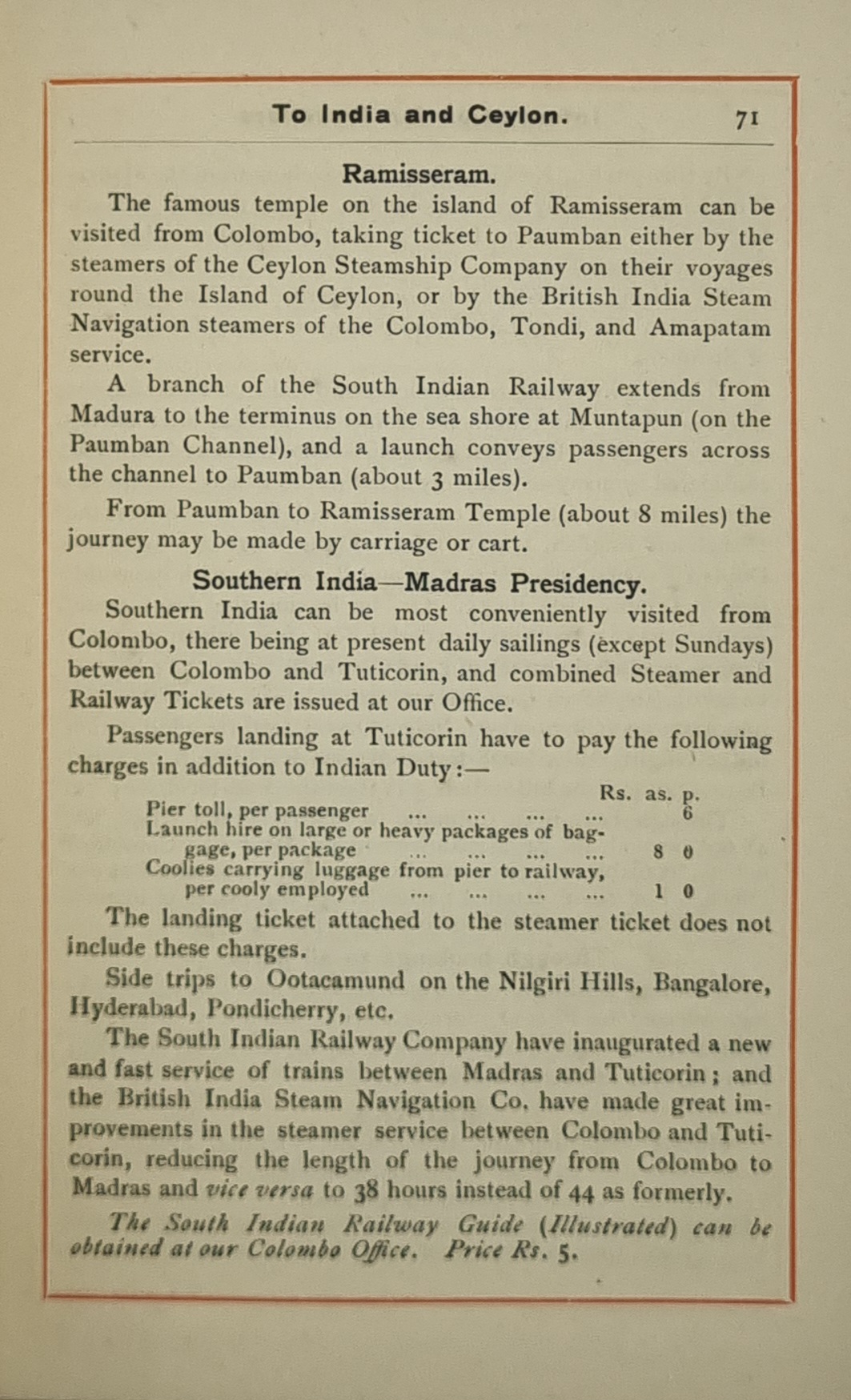
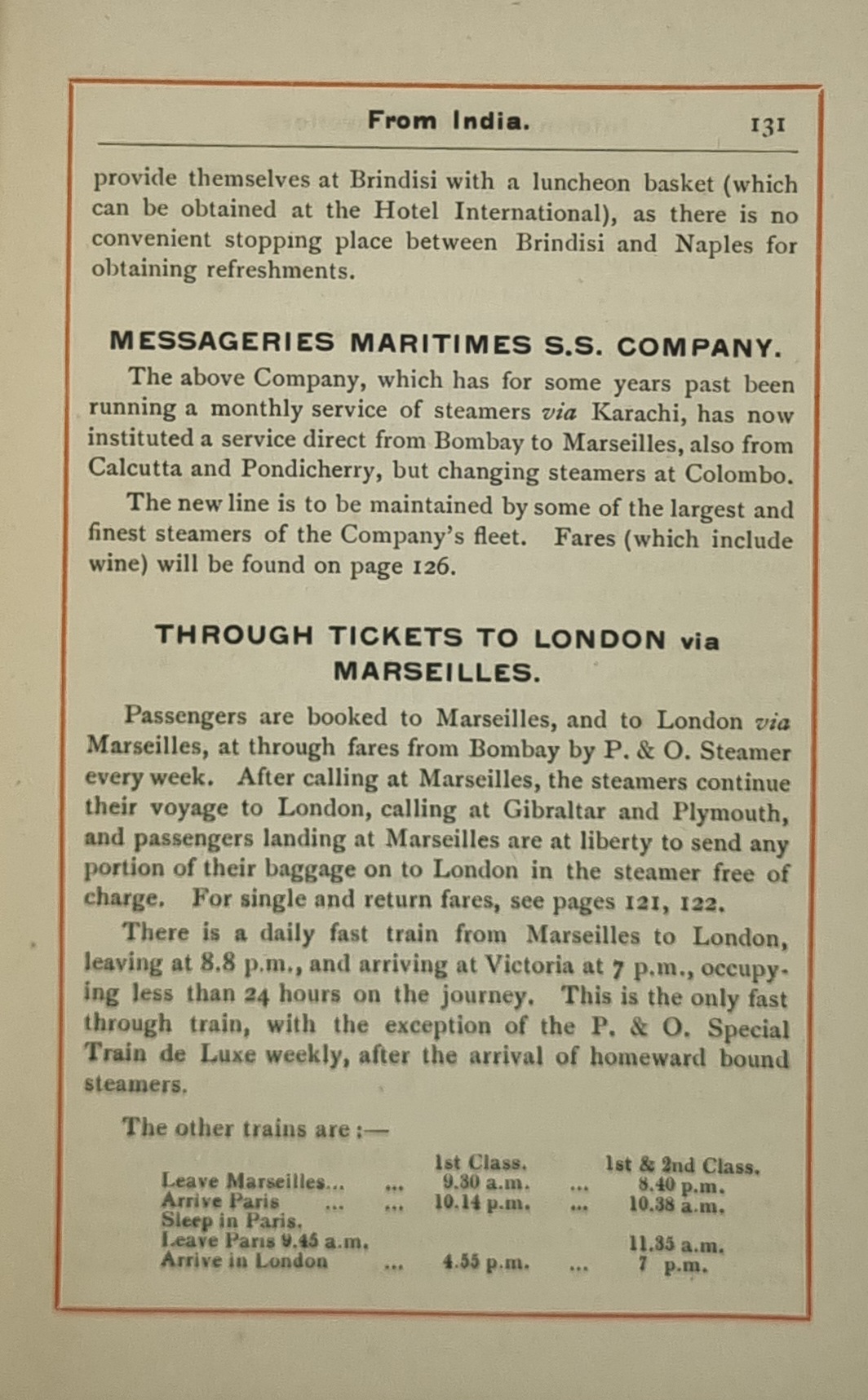
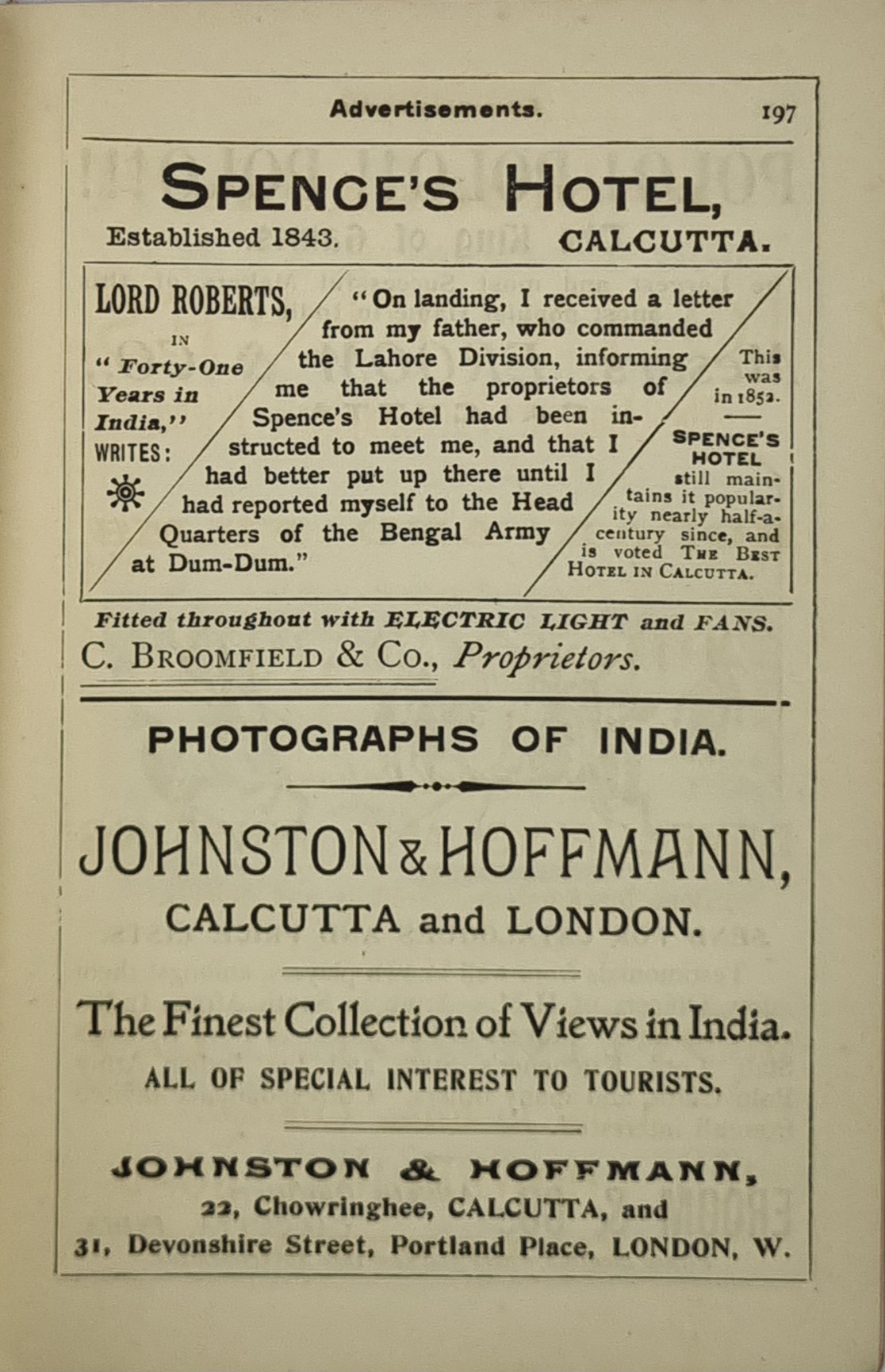
India, Burma, Ceylon and South Africa: Information for Travellers and Residents is a fascinating snapshot of a bygone era, offering both historical insight and practical guidance for those journeying across the British Empire during the late colonial period. Though originally written as a utilitarian guide, the book now reads as a cultural artifact—revealing as much about the worldview of its time as it does about the destinations it describes.
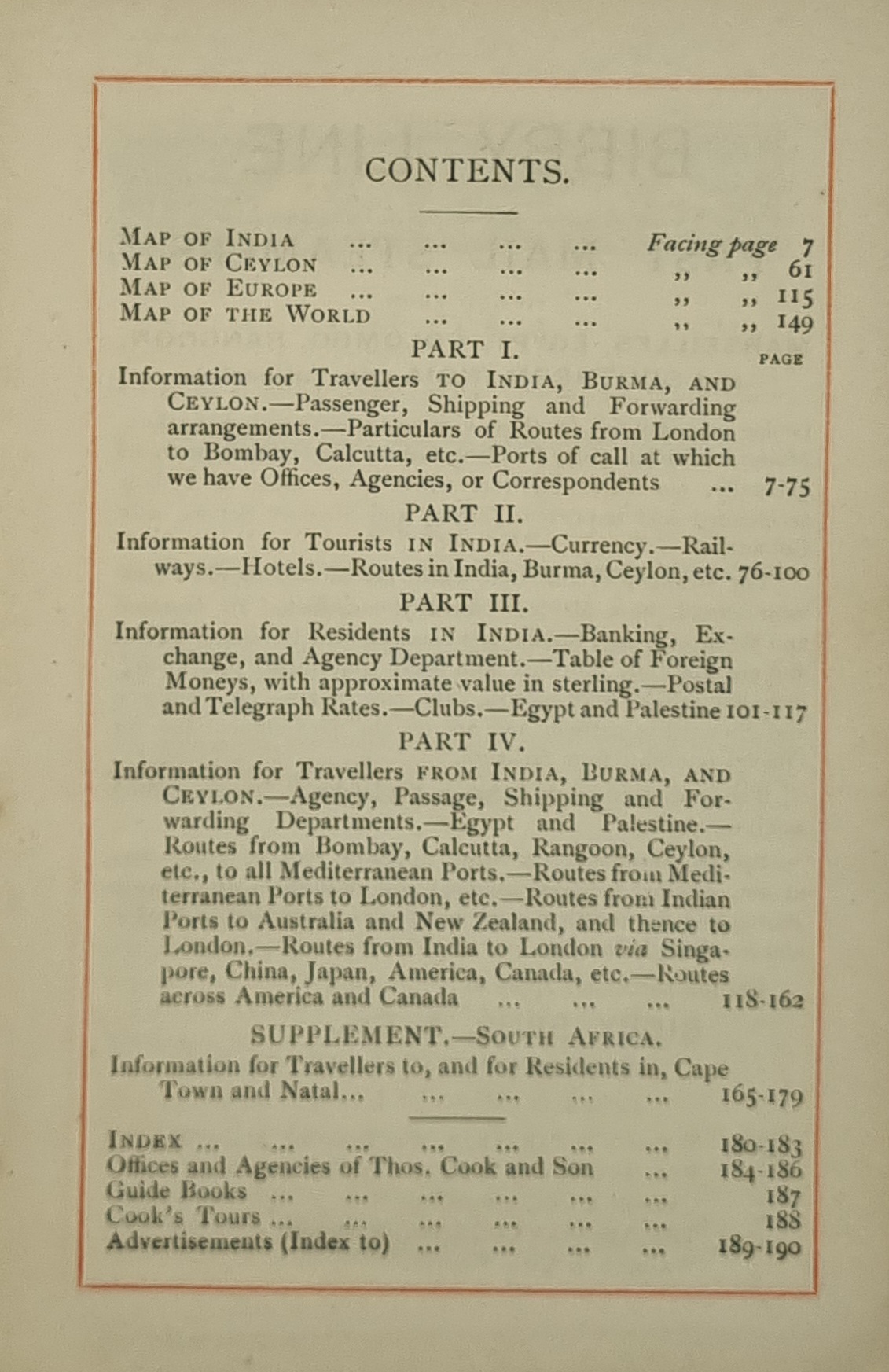
Structured geographically, the book takes the reader through four diverse and complex regions—India, Burma (now Myanmar), Ceylon (Sri Lanka), and South Africa—each explored through the lens of the Western traveller or expatriate. The tone is formal and occasionally paternalistic, reflecting the colonial mindset of its intended audience. Still, within its dated language and perspectives lie valuable details about everyday life, climate, travel routes, customs, local governance, and social etiquette in each region.
The section on India is perhaps the most extensive, offering detailed advice on what to wear, how to cope with the heat, where to find European-style accommodation, and what medicines to bring. It paints a vivid picture of colonial life—marked by a stark separation between British and Indian communities, yet dependent on the rhythms and realities of Indian society. For modern readers, this section also serves as a lens into the infrastructure, attitudes, and assumptions of the British Raj.
Burma and Ceylon are presented with a similar mix of logistical information and cultural commentary. Descriptions of local markets, festivals, and landscapes are paired with practical notes on transportation, health, and legal matters. The tone remains that of a guidebook for foreigners—useful in its specifics, but narrow in its interpretation of local culture.
The chapter on South Africa shifts the tone slightly, with greater emphasis on settler life and the challenges of navigating a multi-racial society under colonial rule. Discussions of land, agriculture, and climate are prominent, along with advice on dealing with indigenous communities—again, through a dated and now-problematic lens.
While modern readers will find some sections outdated or uncomfortable, the book holds historical value as a record of travel and expatriate life during the early 20th century. It offers insight not only into the places it describes but also into the mindset of its intended readers. For those interested in colonial history, cultural transitions, or the evolution of travel literature, this guide remains a compelling read—both for what it says and what it unintentionally reveals.
Additional information
| Weight | 150 g |
|---|---|
| Dimensions | 10.5 × 1.5 × 15.5 cm |
| Publisher | Thomas Cook & Son |
|---|---|
| Published On | 1903 |
| Pages | 228 |
| Country | London: United Kingdom |
| Language | English |
| Dimension | 10.5cm x 15.5cm |
| Item Weight | 150gm |