
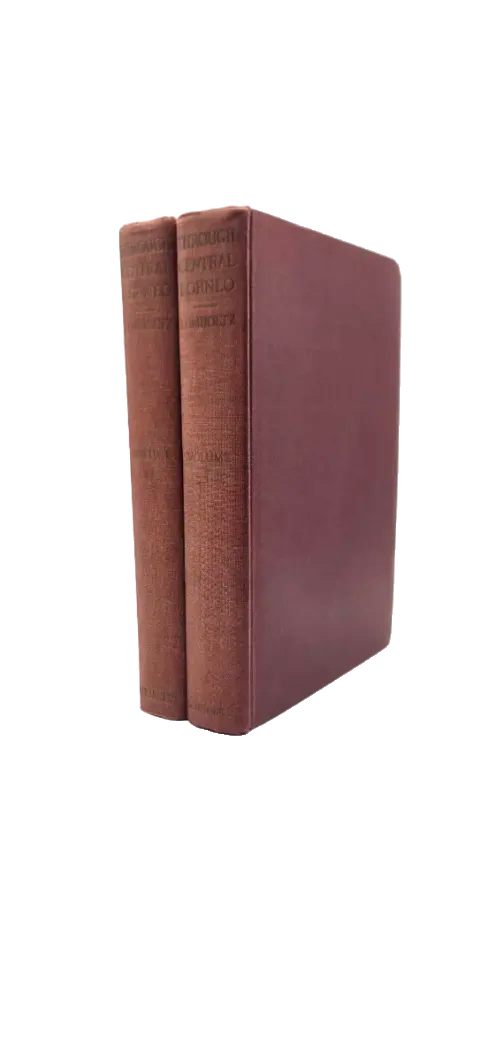
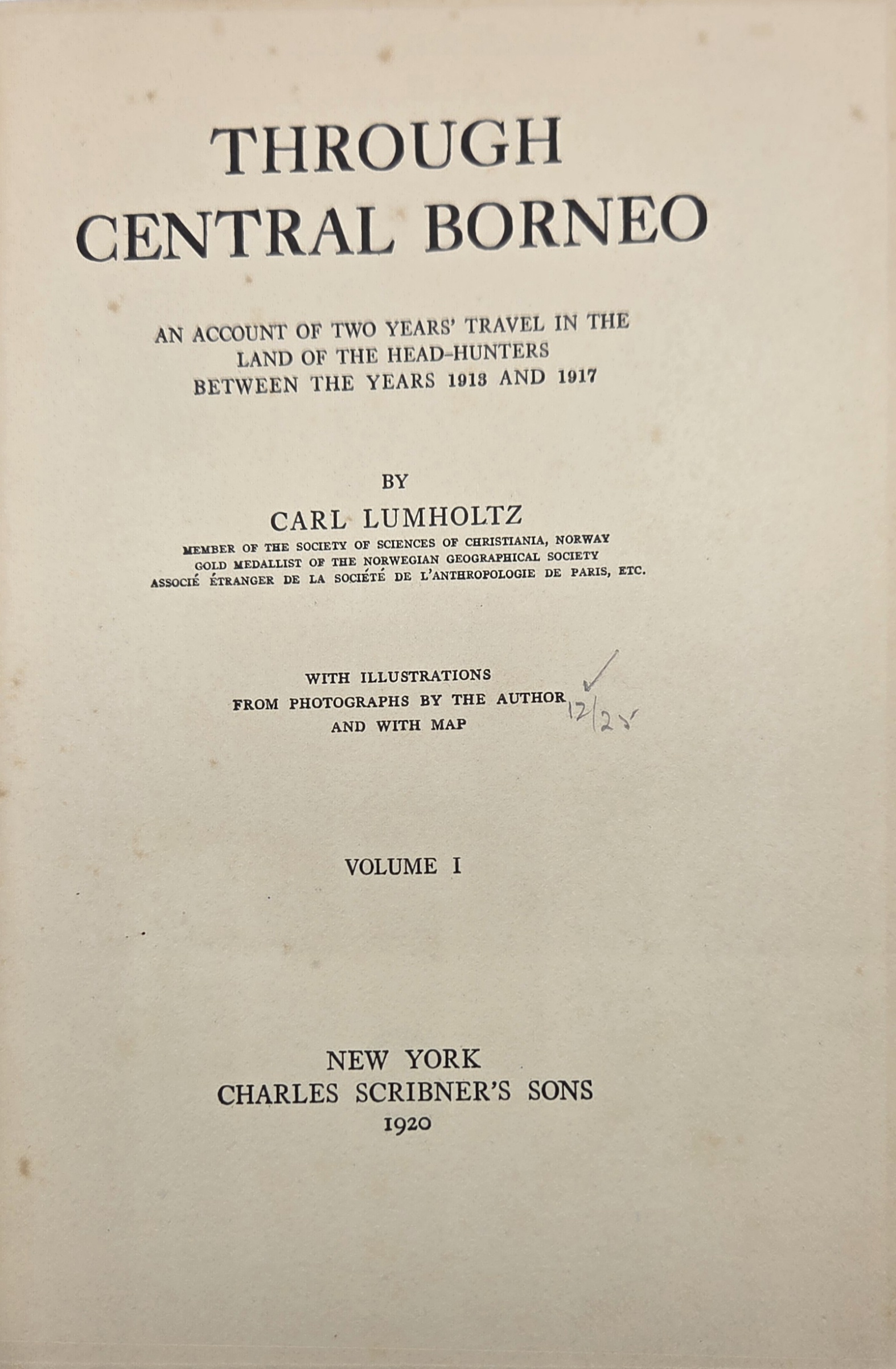
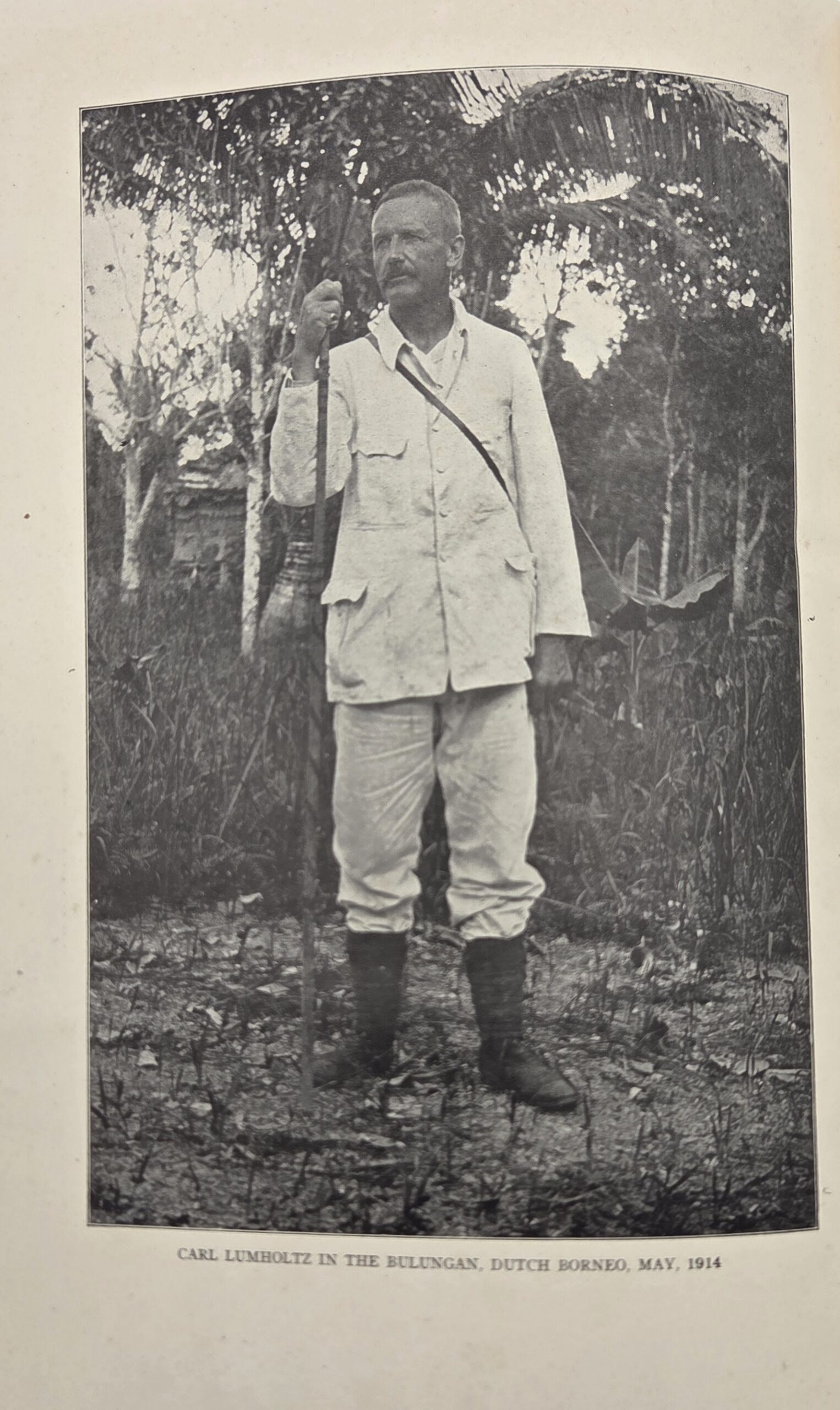
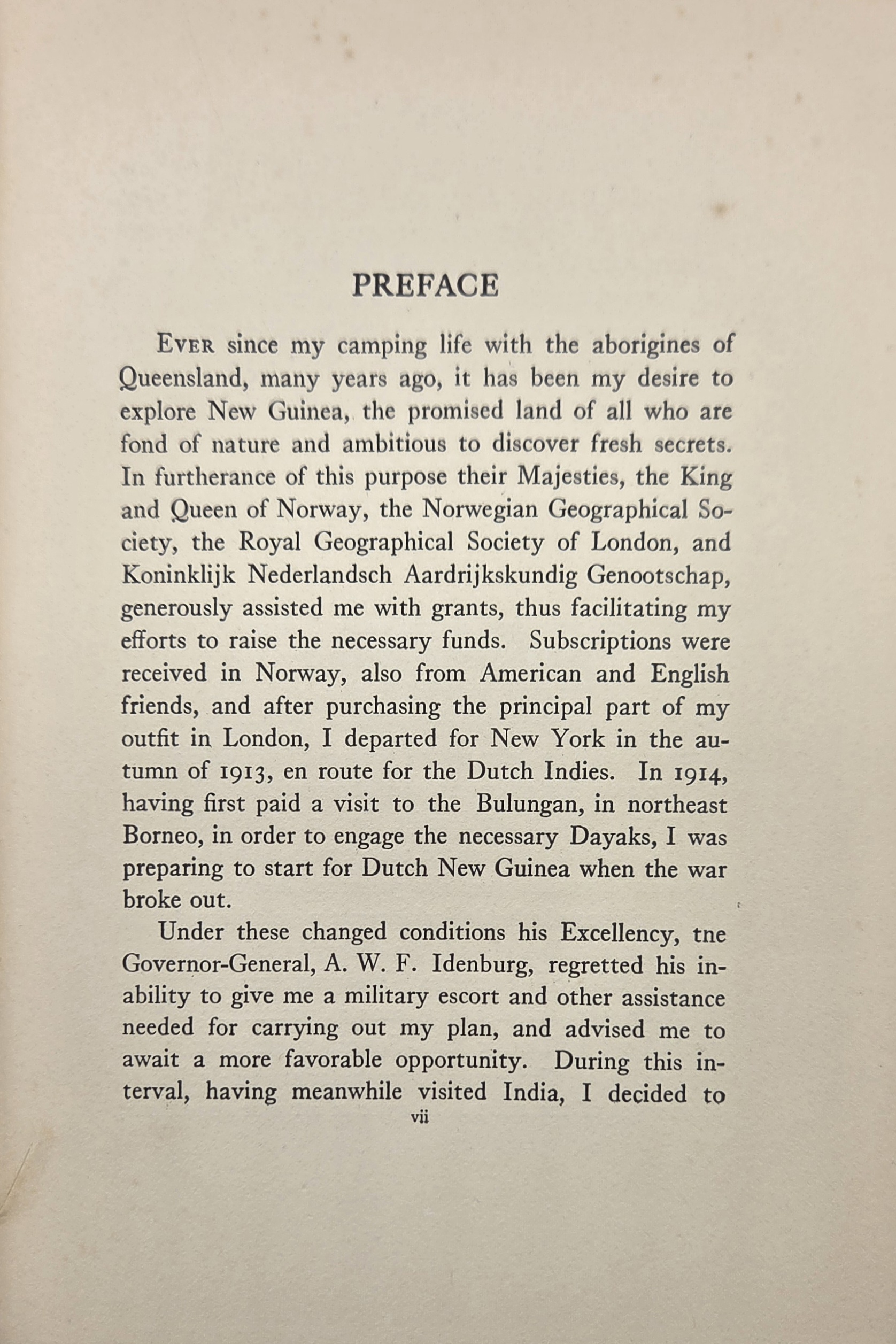
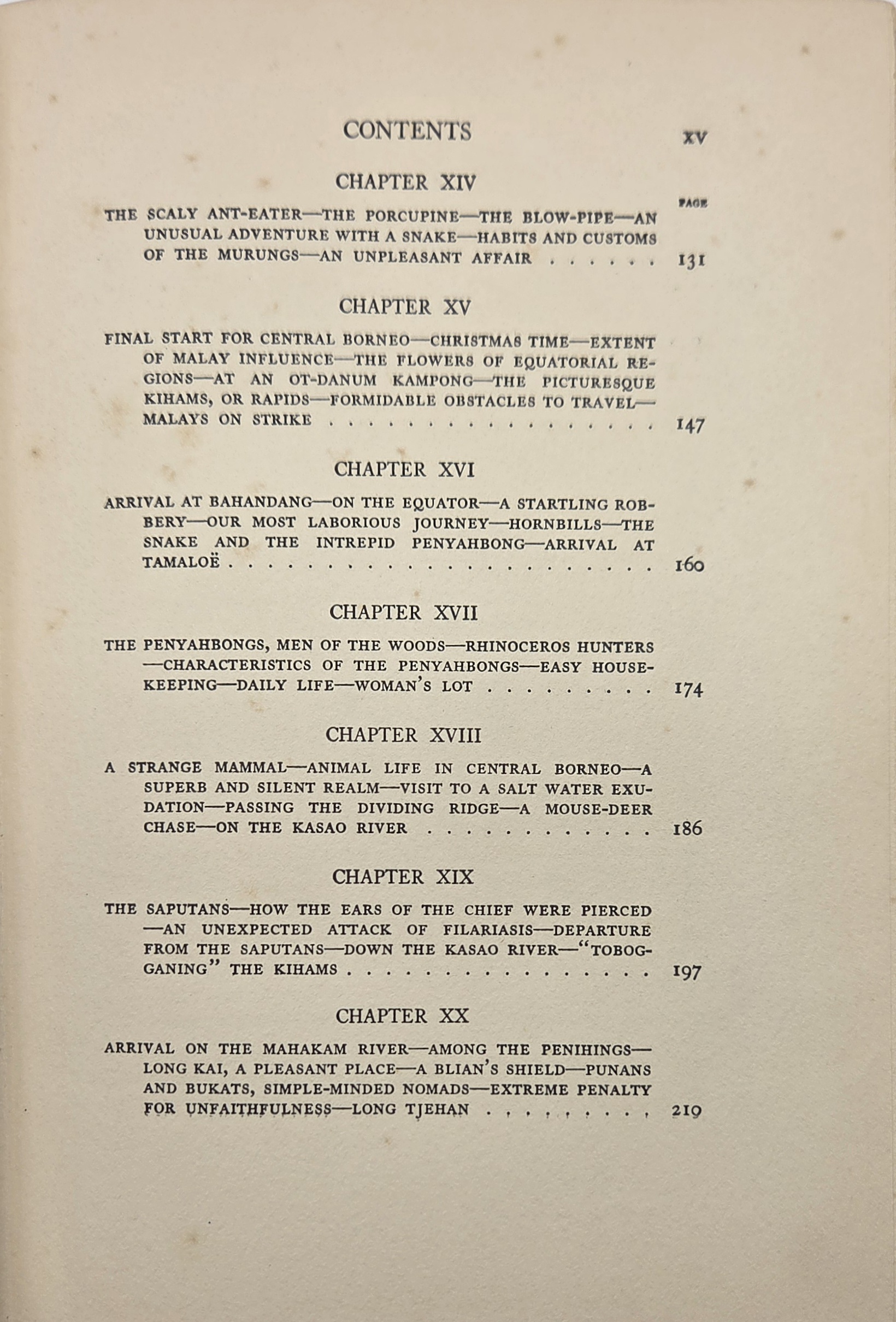
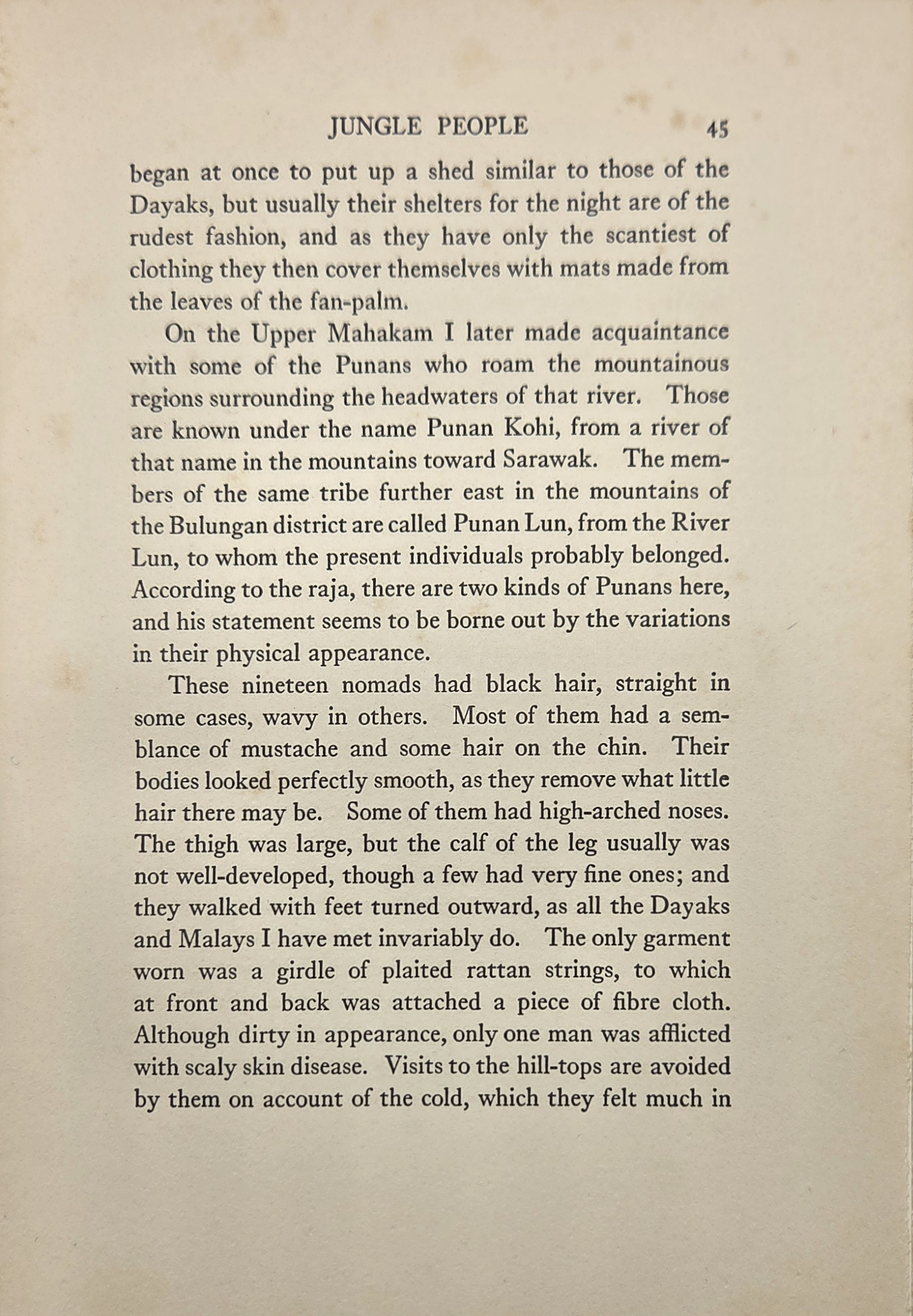
Through Central Borneo is a travel and ethnographic account by Carl Lumholtz, based on his expeditions into the interior of Borneo at the end of the nineteenth century. An explorer and anthropologist, Lumholtz journeyed through regions that were still largely inaccessible to Europeans, travelling by river and on foot through dense rainforest and mountainous terrain. His narrative records both the physical challenges of exploration and extended contact with Dayak communities, among whom he lived for long periods.
Lumholtz combines detailed descriptions of landscape and wildlife with careful observations of social organisation, belief systems, material culture, and daily life. Throughout the work, he situates his own findings within the broader tradition of exploration and natural history, frequently referencing Alfred Russel Wallace, whose earlier travels in the Malay Archipelago had shaped European understanding of the region. By engaging with Wallace’s observations, Lumholtz both acknowledges an intellectual debt and contrasts his own inland experiences with Wallace’s coastal and island-based studies.
Written in a clear and methodical style, the book reflects Lumholtz’s dual role as traveller and scientist. Although shaped by the assumptions of its era, Through Central Borneo remains an important contribution to ethnographic and exploration literature, valued for its firsthand detail and its place within the continuing scholarly conversation initiated by Wallace and his contemporaries.
Additional information
| Weight | 1737 g |
|---|---|
| Dimensions | 17.5 × 24.5 cm |
| Author | Carl Lumholtz |
|---|---|
| Publisher | Charles Scribner's Sons |
| Published On | 1920 |
| Pages | Vol 1 - 242pp, Vol 2 - 467pp |
| Country | New York: USA |
| Language | English |
| Dimension | 17.5cm x 24.5cm |
| Item Weight | 1737gm |
| Edition | Att: First Edition |