
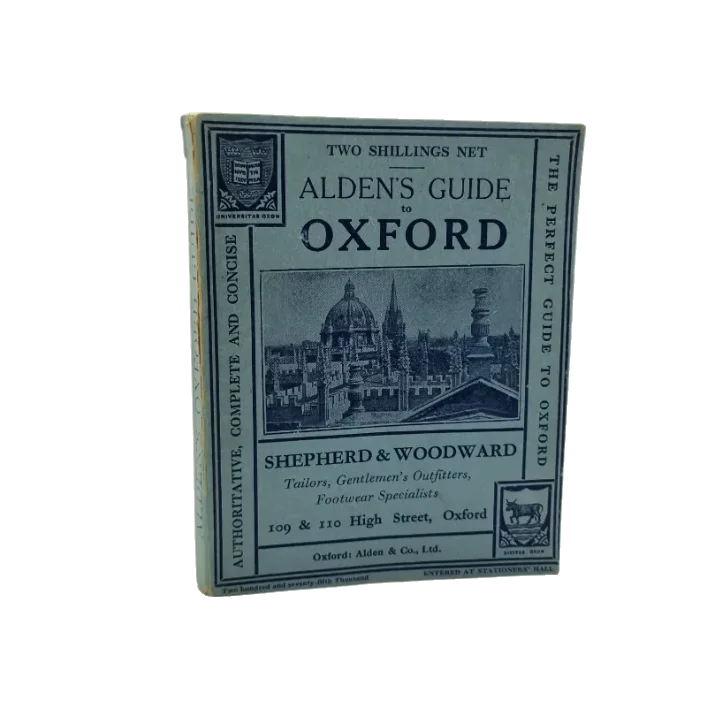
The history of Oxford in England dates back to its original settlement in the Saxon period. Originally of strategic significance due to its controlling location on the upper reaches of the River Thames at its junction with the River Cherwell, the town grew in national importance during the early Norman period, and in the late 12th century became home to the fledgling University of Oxford. The city was besieged during The Anarchy in 1142.
The university rose to dominate the town. A heavily ecclesiastical town, Oxford was greatly affected by the changes of the English Reformation, emerging as the seat of a bishopric and a full-fledged city. During the English Civil War, Oxford housed the court of Charles I and stood at the heart of national affairs.
The city began to grow industrially during the 19th century, and had an industrial boom in the early 20th century, with major printing and car-manufacturing industries. These declined, along with other British heavy industry, in the 1970s and 1980s, leaving behind a city which had developed far beyond the university town of the past.
Additional information
| Weight | 159 g |
|---|---|
| Dimensions | 12 × .5 × 15 cm |
| Publisher | Alden & Company Ltd |
|---|---|
| Published On | 1941 |
| Pages | 158 |
| Country | Oxford: United Kingdom |
| Language | English |
| Dimension | 12cm x 15cm |
| Item Weight | 159gm |
| 3D Book URL | https://hungrytraveller.com.au/3d-flip-book/aldens-guide-to-london/ |